

Discover the Essentials of Home Inspection Services
Buying a home is one of the biggest decisions you’ll ever make. It’s exciting, but it can also feel overwhelming. How do you know if the house you’re eyeing is truly a good investment? That’s where the home inspection process comes in. It’s your chance to get a clear picture of the property’s condition before you commit. Let me walk you through everything you need to know about this crucial step.
Understanding the Home Inspection Process
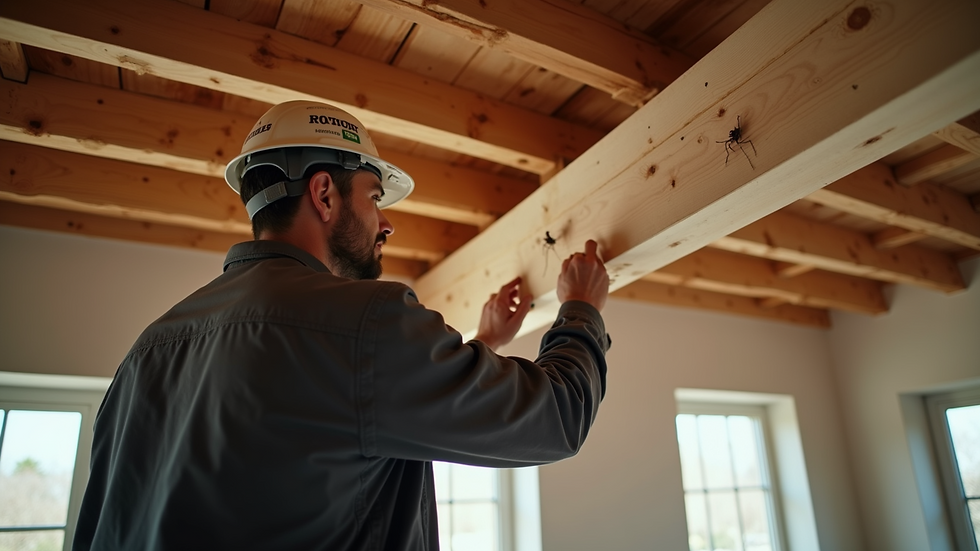
So, what exactly happens during a home inspection? Think of it as a thorough check-up for the house. A certified inspector examines the property from top to bottom, inside and out. They look for any issues that could affect the safety, functionality, or value of the home.
The process usually starts with scheduling an appointment. On inspection day, the inspector will arrive with tools and a checklist. They’ll inspect key areas such as the roof, foundation, plumbing, electrical systems, HVAC, and more. The goal is to identify any defects or potential problems.
Why is this so important? Because it helps you avoid surprises after you move in. Imagine discovering a leaky roof or faulty wiring weeks after closing the deal. A professional inspection can save you thousands in repairs and give you peace of mind.

After the inspection, you’ll receive a detailed report. This document outlines the findings, including photos and recommendations. It’s a valuable tool for negotiating repairs or deciding if the home is right for you.
Key Steps in the Home Inspection Process
Let’s break down the home inspection process into clear, manageable steps:
Choose a Certified Inspector
Not all inspectors are created equal. Look for someone with proper qualifications and certifications. This ensures they have the knowledge and experience to spot issues accurately. For trusted home inspection services, always check credentials.
Schedule the Inspection Early
Don’t wait until the last minute. Book your inspection as soon as your offer is accepted. This gives you time to review the report and negotiate if needed.
Attend the Inspection
If possible, be there during the inspection. It’s a great opportunity to ask questions and see problems firsthand. The inspector can explain what they find and why it matters.
Review the Report Thoroughly
Take your time reading the report. Look for major issues like structural damage or safety hazards. Also, note minor repairs that might be needed down the line.
Make Informed Decisions
Use the inspection report to guide your next steps. You might request repairs, ask for a price reduction, or decide to walk away if the problems are too severe.

What are the 4 Types of Inspection?
You might wonder if there’s just one kind of home inspection. Actually, there are several types, each focusing on different aspects of the property. Here are the four main types:
General Home Inspection
This is the most common type. It covers the overall condition of the home, including structural elements, systems, and safety features.
Pest Inspection
This inspection looks for signs of termites, rodents, or other pests that can cause damage. It’s especially important in areas prone to infestations.
Radon Inspection
Radon is a radioactive gas that can seep into homes and pose health risks. A radon test measures its levels to ensure safety.
Mold Inspection
Mold can cause health problems and damage to your home. This inspection checks for mold growth and moisture issues.
Knowing these types helps you decide which inspections you need based on the property and location.
Why Choose Certified Home Inspection Services?
When it comes to inspections, experience and certification matter. Certified inspectors follow strict standards and use advanced tools to provide accurate assessments. This professionalism protects your investment.
For example, Birdhouse Home Inspection Services in Belton, SC, offers certified inspections tailored to local homes. Their expertise helps clients make smart, educated decisions. Plus, they provide clear reports and friendly guidance throughout the process.
Choosing certified services means you’re not just getting a checklist. You’re getting peace of mind and expert advice. Isn’t that worth it?
Tips for Preparing for Your Home Inspection
Want to make the most of your inspection? Here are some practical tips:
Clear Access Areas
Make sure the inspector can easily access the attic, basement, electrical panels, and HVAC units.
Turn On Utilities
Ensure water, electricity, and gas are on so systems can be tested.
List Your Questions
Write down any concerns or specific areas you want the inspector to focus on.
Be Present
As mentioned, attending the inspection helps you understand the findings better.
Review Previous Reports
If available, look at past inspection reports or maintenance records for the home.
Following these steps helps the inspection go smoothly and gives you the best information possible.
Taking the Next Step After Inspection
Once you have the inspection report, what’s next? Here’s how to proceed:
Discuss Repairs with the Seller
Use the report to negotiate repairs or credits before closing.
Plan for Maintenance
Even if the home is in good shape, some upkeep will be needed. The report can guide your maintenance schedule.
Consult Professionals
For major issues, get estimates from contractors to understand repair costs.
Make Your Decision
Decide if the home meets your needs and budget based on the inspection findings.
Remember, the inspection is a tool to empower you. It’s not about finding reasons to back out but about making informed choices.
Buying a home is a big adventure, but you don’t have to go it alone. The home inspection process is your safety net, helping you avoid costly surprises and ensuring your new home is a place of comfort and security. If you want reliable, certified home inspection services in Belton, SC, and nearby areas, Birdhouse Home Inspection Services is ready to help you every step of the way. Ready to take the next step with confidence? Your dream home awaits!


Comments