
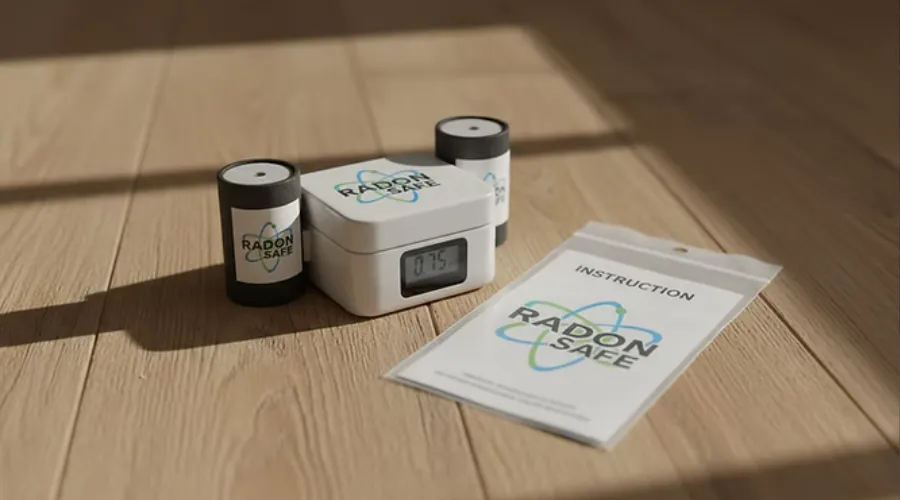
What Is Radon Gas and Why Should You Care?

Radon is a naturally occurring radioactive gas that comes from the breakdown of uranium in soil, rock, and water. It can seep into homes through cracks in foundations, gaps around pipes, and other openings. Because it’s invisible and odorless, you can’t detect it without proper testing.
Why is radon a concern? Long-term exposure to high radon levels increases the risk of lung cancer. In fact, radon is the second leading cause of lung cancer after smoking. This makes testing your home for radon a smart and necessary step.
If you’re wondering what is radon gas and testing , it’s simply the process of measuring radon levels in your home to ensure they are below the EPA’s recommended action level of 4 picocuries per liter (pCi/L). Testing is the only way to know if radon is a problem in your home.
How Radon Gas Testing Works and When to Do It
Radon testing is straightforward and can be done in two main ways: short-term and long-term testing.
Short-term tests last from 2 to 7 days. They are quick and useful for initial screening.
Long-term tests last more than 90 days and provide a more accurate picture of average radon levels over time.
You can buy DIY radon test kits online or at hardware stores, but for the most reliable results, hiring a certified radon professional is best. They use specialized equipment and follow strict protocols to ensure accuracy.
When should you test? Ideally, test your home during cooler months when windows and doors are closed, which can trap radon inside. Also, test any home you’re planning to buy or sell. It’s a critical part of a thorough home inspection.
How Much Does Radon Testing Usually Cost?
One of the first questions I get asked is about the cost of radon testing. The good news is, it’s generally affordable and well worth the investment.
DIY test kits typically range from $15 to $30.
Professional testing usually costs between $100 and $250, depending on the size of the home and the type of test used.
While DIY kits are budget-friendly, professional testing offers peace of mind with certified results that can be used during real estate transactions. Plus, professionals can help interpret results and recommend mitigation if needed.
Remember, the cost of testing is small compared to the potential health risks and the expense of radon mitigation if high levels are found later.
What to Do If Your Home Has High Radon Levels
Finding out your home has elevated radon levels can be unsettling, but don’t panic! Radon problems are fixable.
Here are some practical steps to take:
Hire a certified radon mitigation professional. They will design a system tailored to your home.
Install a radon mitigation system. The most common method is a vent pipe system and fan that pulls radon from beneath the house and vents it outside.
Retest after mitigation. This ensures the system is working effectively.
Maintain your system. Regular checks keep radon levels low over time.
Mitigation systems typically cost between $800 and $2,500, depending on your home’s size and foundation type. It’s a worthwhile investment for your family’s health and your property’s value.
Why Radon Testing Is Essential for Homebuyers and Sellers
If you’re in the market for a home or involved in real estate, radon testing should be on your checklist. Here’s why:
Protect your health. Knowing radon levels helps you avoid long-term health risks.
Negotiate with confidence. Test results can be part of the buying or selling negotiation.
Meet legal requirements. Some states and lenders require radon testing during real estate transactions.
Increase home value. A radon-free home is more attractive to buyers.
In South Carolina, radon levels can vary widely even between neighboring homes. Testing is the only way to be sure. Don’t leave it to chance!
Taking Action: Your Next Steps for Radon Safety
Now that you understand the importance of radon gas testing, what should you do next?
Schedule a radon test if you haven’t already.
Choose between a DIY kit or a certified professional based on your comfort and needs.
If you’re buying a home, request radon testing as part of the inspection.
If high radon levels are detected, act quickly to install a mitigation system.
Remember, radon testing is a simple step that can save lives. It’s about peace of mind and making smart decisions for your home and family.
By staying informed and proactive, you’re taking control of your home’s safety. And that’s something worth celebrating!
If you want to learn more about radon and testing, check out this helpful resource: what is radon gas and testing . It’s packed with useful info to guide you through the process.
Stay safe and breathe easy!

Elijah Proctor
Owner / Inspector • Birdhouse Home Inspection Services
InterNACHI® Certified Professional Inspector CPI® with 15+ years in construction. Dedicated to helping home buyers and owners across Upstate South Carolina make confident decisions.
Related Articles
Recognizing Mold Signs During a Home Inspection: Identifying Mold During Inspection
When you're about to buy a home or simply want to keep your current one safe, spotting mold early can save you a lot of trouble. Mold is sneaky...
Steps to Book a Certified Home Inspection: Your Guide to Smart Home Buying
Buying a home is exciting, but it can also be a bit nerve-wracking. One of the smartest moves you can make during this process is to get a certified home inspec...
Greenwood Home Inspections: Your Guide to Birdhouse Home Inspection Services
Buying a home is one of the biggest decisions you’ll ever make. It’s exciting, but it can also be nerve-wracking. How do you know if the house you’re eyeing is ...
Frequently Asked Questions
Everything you need to know before booking your inspection. Browse by topic below.
Most inspections take about 2 to 4 hours, depending on the size, age, and condition of the home. Larger or older properties may take a bit longer. We take the time needed to be thorough, so nothing important gets missed!
What Our Neighbors Say
Real reviews from real Upstate South Carolina homeowners.
Upstate South Carolina Service Locations
Proudly serving homeowners, buyers, and real estate professionals across six counties and all surrounding Upstate South Carolina communities. Wherever you are in the Upstate, we'll come to you.
Primary Counties Served
Interactive Service Region Map
“Whether you are buying, selling, or maintaining your home, Birdhouse Home Inspections would be honored to inspect your property. After all, we are going to be neighbors.”
Schedule Your Inspection
Book online in under 2 minutes or call Elijah Proctor directly. Pick a date and time right here — your appointment is confirmed instantly through our secure online scheduler.
Schedule Your Inspection Online
Pick a date & time that works for you — confirmed instantly.
Ready to Protect Your Investment?
Book online in under 2 minutes or call Elijah Proctor directly.