HomeBlogRecognizing Mold Signs During a Home Inspection: Identifying Mold During Inspection
Mold InspectionHome Inspection Tips

Recognizing Mold Signs During a Home Inspection: Identifying Mold During Inspection

October 06, 2026•6 min read•By Elijah Proctor (Owner / Inspector)
Recognizing Mold Signs During a Home Inspection: Identifying Mold During Inspection
When you're about to buy a home or simply want to keep your current one safe, spotting mold early can save you a lot of trouble. Mold is sneaky. It hides in damp corners, behind walls, and under floors. But don’t worry! With a little know-how, you can recognize mold signs during a home inspection and protect your investment. Mold isn’t just an eyesore. It can cause health problems and damage your home’s structure. So, how do you spot it? What should you look for? Let’s dive into the essentials of identifying mold during inspection and make sure your home stays healthy and safe.

Why Identifying Mold During Inspection Is Crucial

Mold growth often starts small and goes unnoticed until it becomes a big problem. During a home inspection, identifying mold is one of the most important steps. Why? Because mold can:

Trigger allergies and respiratory issues

Weaken wood and drywall, leading to costly repairs

Lower your home’s value and make it harder to sell

Imagine moving into your dream home only to find black spots on the walls or a musty smell that won’t go away. That’s why catching mold early is key. A thorough inspection can reveal hidden mold before it causes serious damage.

When you’re identifying mold during inspection, you’re not just looking for visible spots. You’re also checking for conditions that encourage mold growth, like moisture and poor ventilation. This proactive approach helps you avoid surprises down the road.

Common Mold Signs to Look For During a Home Inspection

So, what exactly should you be looking for? Mold can appear in many forms, and sometimes it’s not obvious. Here are some common signs to watch out for:

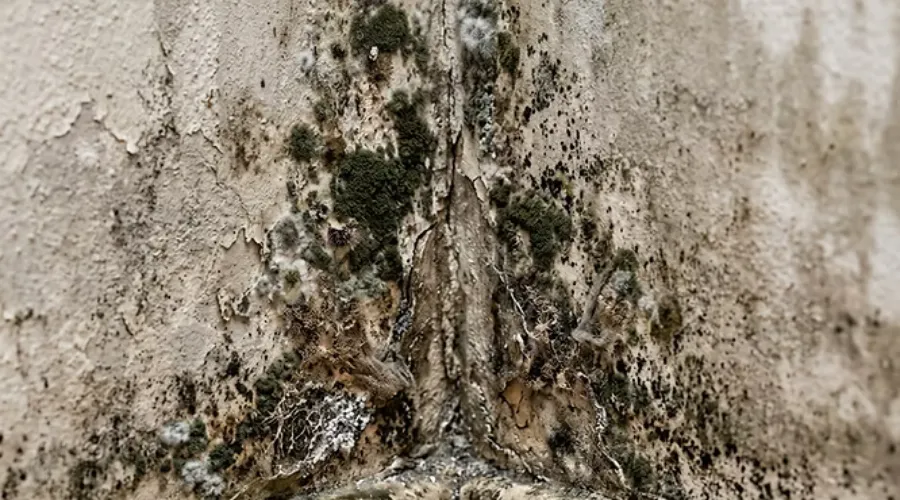
1. Visible Mold Spots:Mold can be black, green, white, or even orange. It often looks like fuzzy or slimy patches on walls, ceilings, or floors. Check areas prone to moisture, such as bathrooms, kitchens, basements, crawl spaces, around windows and doors, and near plumbing fixtures.
2. Musty Odors:Have you ever walked into a room and noticed a damp, earthy smell? That’s a classic sign of mold. Even if you don’t see mold, a persistent musty odor means mold could be lurking behind walls or under carpets.
3. Water Damage and Stains:Look for water stains, discoloration, or peeling paint. These often indicate leaks or moisture problems, which create the perfect environment for mold to grow.
4. Condensation and High Humidity:Check windows and pipes for condensation. High humidity levels inside the home can encourage mold growth. A moisture meter can help detect hidden dampness.
5. Health Symptoms:If you or someone in the home experiences unexplained allergies, coughing, or headaches, mold might be the culprit. While this isn’t a direct sign during inspection, it’s worth mentioning to your inspector.

How to Check for Signs of Mold in a House?

Now that you know what to look for, let’s talk about how to check for mold effectively. Here’s a step-by-step guide to help you during your home inspection:

Step 1: Start with a Visual Inspection:Walk through the entire home, paying close attention to areas prone to moisture. Use a flashlight to inspect dark corners, behind appliances, and inside cabinets.
Step 2: Use Your Nose:Don’t underestimate the power of your sense of smell. If you detect a musty odor, investigate further. Sometimes mold hides where you can’t see it.
Step 3: Check for Moisture:Use a moisture meter or a simple touch test to find damp spots. Walls, floors, and ceilings that feel wet or soft may have mold behind them.
Step 4: Inspect HVAC Systems:Mold can grow inside air ducts and filters. Check the HVAC system for signs of mold or musty smells. Dirty filters and clogged vents can spread mold spores throughout the home.
Step 5: Look Underneath:Don’t forget crawl spaces, basements, and attics. These areas often have poor ventilation and higher humidity, making them prime spots for mold growth.
Step 6: Consider Professional Testing:If you suspect mold but can’t see it, professional mold testing can identify hidden problems. Certified inspectors use specialized tools to detect mold spores in the air and on surfaces.

What to Do If You Find Mold During Inspection?

Finding mold can be unsettling, but don’t panic! Here’s what you should do next:

1. Assess the Extent of the Problem:Small patches of mold can often be cleaned safely with household products. However, large infestations or mold inside walls require professional remediation.
2. Identify the Source of Moisture:Mold won’t grow without moisture. Fix leaks, improve ventilation, and control humidity to prevent mold from returning.
3. Get a Professional Mold Remediation:For serious mold problems, hire a certified mold remediation specialist. They will safely remove mold and repair damaged areas.
4. Document Everything:Keep records of your inspection, mold findings, and remediation efforts. This documentation is valuable for future home sales or insurance claims.
5. Negotiate Repairs or Price Adjustments:If you’re buying a home and mold is found, use this information to negotiate repairs or a price reduction with the seller.

Tips for Preventing Mold Growth in Your Home

Prevention is always better than cure. Here are some simple tips to keep mold at bay:

Control humidity:Keep indoor humidity below 60%. Use dehumidifiers if needed.
Fix leaks promptly:Check plumbing, roofs, and windows regularly.
Improve ventilation:Use exhaust fans in bathrooms and kitchens.
Clean regularly:Wipe down damp areas and clean gutters.
Use mold-resistant products:Consider mold-resistant drywall and paint in moisture-prone areas.

Making Smart Decisions with Mold Awareness

When you’re checking home for mold signs, you’re not just protecting your investment—you’re safeguarding your family’s health. Mold can be tricky, but with the right knowledge and tools, you can spot it early and take action.

Whether you’re buying a new home or maintaining your current one, understanding how to identify mold during inspection is a valuable skill. It helps you make informed decisions and avoid costly surprises.

If you’re in Anderson County, SC, or nearby, remember that Birdhouse Home Inspection Services is here to help. Our certified inspectors know exactly what to look for and how to keep your home safe from mold and other hidden issues.

Stay vigilant, stay informed, and enjoy your home with peace of mind!

Inspection detail
Tags:
#recognizing mold signs during home inspection#identifying mold during home inspection#mold inspection home buying Upstate SC#musty odor home inspection#checking for mold in house#mold testing Upstate South Carolina
Elijah Proctor
Article Author

Elijah Proctor

Owner / Inspector • Birdhouse Home Inspection Services

InterNACHI® Certified Professional Inspector CPI® with 15+ years in construction. Dedicated to helping home buyers and owners across Upstate South Carolina make confident decisions.

Call Elijah
More From Birdhouse

Related Articles

FAQ

Frequently Asked Questions

Everything you need to know before booking your inspection. Browse by topic below.

Most inspections take about 2 to 4 hours, depending on the size, age, and condition of the home. Larger or older properties may take a bit longer. We take the time needed to be thorough, so nothing important gets missed!

Reviews

What Our Neighbors Say

Real reviews from real Upstate South Carolina homeowners.

Trusted by Homeowners Across Upstate SC
Upstate Coverage Hub

Upstate South Carolina Service Locations

Proudly serving homeowners, buyers, and real estate professionals across six counties and all surrounding Upstate South Carolina communities. Wherever you are in the Upstate, we'll come to you.

6
Counties Served
12+
Towns & Communities
15+
Years Local Experience

Primary Counties Served

Abbeville County
Active
Anderson County
Active
Greenville County
Active
Greenwood County
Active
Oconee County
Active
Spartanburg County
Active

Interactive Service Region Map

📍 Piedmont📍 Seneca📍 Simpsonville📍 Fountain Inn📍 Iva📍 Starr+ Surrounding Upstate Towns

“Whether you are buying, selling, or maintaining your home, Birdhouse Home Inspections would be honored to inspect your property. After all, we are going to be neighbors.”

Mon–Fri: 8:30 am – 5:00 pm Sat: 8:30 am – 12:00 pm InterNACHI® CPI® Certified
Book Online Or By Phone

Schedule Your Inspection

Book online in under 2 minutes or call Elijah Proctor directly. Pick a date and time right here — your appointment is confirmed instantly through our secure online scheduler.

Call or Text Direct
(864) 916-2627
Hours of Operation
Mon–Fri: 8:30 am – 5:00 pm
Sat: 8:30 am – 12:00 pm
Guaranteed Satisfaction
InterNACHI® CPI® • Same-Day Reports
Serving Anderson, Greenville, Greenwood, Spartanburg & Upstate SC

Schedule Your Inspection Online

Pick a date & time that works for you — confirmed instantly.

Prefer email? We'll reply fast.
Email Us

Ready to Protect Your Investment?

Book online in under 2 minutes or call Elijah Proctor directly.