
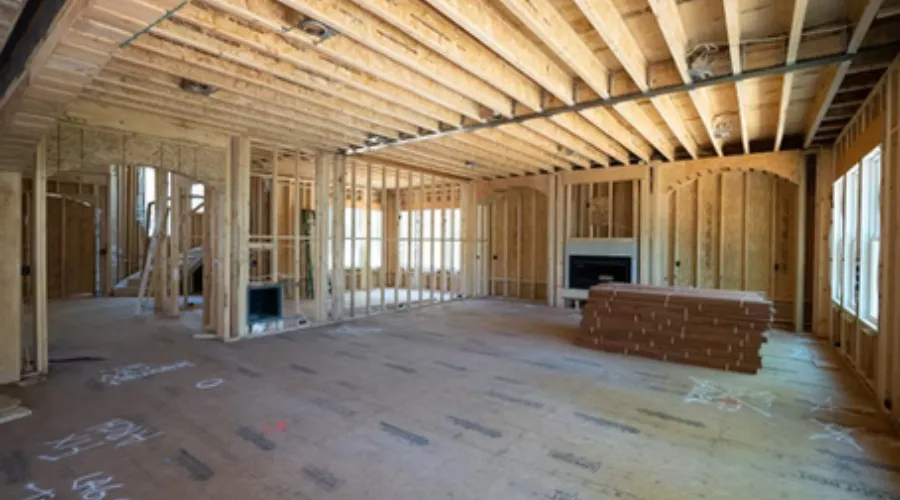
Understanding Pre-Drywall Inspections
A pre-drywall inspection is a crucial step in the home construction process. It occurs after the framing, plumbing, electrical, and HVAC rough-ins are completed but before insulation and drywall are installed. This is the only time when these systems are fully visible and accessible for correction.
This inspection is distinct from municipal code inspections that happen during construction. While municipal inspections ensure compliance with building codes, a pre-drywall inspection evaluates the overall quality of the build. This is a higher standard than merely meeting code minimums.
What is Evaluated During the Inspection?
What is Evaluated During the Inspection?
Framing
During the inspection, the framing is checked for several critical factors. Inspectors look for missing hurricane straps, improperly notched or drilled studs and joists, and correctly sized king studs and headers at window and door openings. They also ensure that required fire blocking is in place. Missing structural elements, such as a double top plate on a load-bearing wall, are identified at this stage.
Plumbing Rough-In
The plumbing rough-in is assessed for proper pipe support and strapping. Inspectors check the correct slope on drain lines and confirm that tub and shower connections are completed correctly before enclosure. This step is vital to prevent future plumbing issues.
Electrical Rough-In
The electrical rough-in is scrutinized for several potential problems. Inspectors look for wires that are stapled too tightly or run through undersized holes. They also check for missing fire-rated caulking where wiring passes through top and bottom plates and junction boxes without covers. The panel location and wiring runs are compared against approved plans to ensure everything is in order.
HVAC and Ductwork
Inspectors evaluate the HVAC and ductwork for any issues. They check for crushed or kinked ducts, improperly sealed joints, and ensure that the equipment is sized correctly for the home's square footage and layout. Proper HVAC installation is essential for energy efficiency and comfort.
Insulation Prep and Moisture Control
Finally, the inspection includes checks for insulation prep and moisture control. Inspectors ensure that the vapor barrier is placed correctly and that proper flashing is installed around window and door openings. They also look for any evidence of water intrusion from exposure during construction.
Why This Inspection Matters
Direct Visual Access : This inspection provides the only opportunity for direct visual access to critical systems. Once drywall is installed, verifying the condition of framing, wiring, plumbing, and ductwork requires cutting into finished walls.
Cost-Effective Corrections : Issues identified before drywall installation are typically resolved quickly and at a lower cost. In contrast, problems discovered after move-in often require extensive demolition, repair, and repainting, significantly increasing the expense.
Quality Beyond Code Compliance : Construction quality can vary even in code-compliant builds. While code inspections confirm minimum legal standards, they do not evaluate workmanship quality. Rough-in work is often performed by multiple subcontractors under time constraints, leading to inconsistencies.
Long-Term Consequences : Some deficiencies may not be immediately apparent but can have long-term consequences. Examples include undersized structural framing, improperly sloped drain lines, and restricted HVAC airflow. These issues may not show symptoms for months or years, making correction more costly and disruptive later on.
Documented Record : A pre-drywall inspection creates a documented record before systems are concealed. This documentation is useful for warranty claims, future renovation planning, and resale disclosures.
Leverage for Corrections : The construction crew is still on-site during this phase, and materials are open and accessible. This makes it easier to complete any necessary fixes. After drywall installation, corrections often require reopening finished walls, which can be more complicated and costly.
Conclusion
A pre-drywall inspection is an essential part of the home construction process. It provides an independent, quality-focused evaluation of a home's structural, mechanical, and electrical systems while they remain visible. This inspection is not a duplicate of municipal code inspections; it addresses aspects of construction that code inspections do not evaluate. Because these systems become inaccessible once drywall is installed, this is the only inspection point in new construction where issues can be corrected without demolition.
By investing in a pre-drywall inspection, you can ensure that your new home is built to high standards. This proactive step helps you make informed decisions, ultimately leading to a safer and more comfortable living environment. Don't overlook this critical phase in your home buying journey!

Elijah Proctor
Owner / Inspector • Birdhouse Home Inspection Services
InterNACHI® Certified Professional Inspector CPI® with 15+ years in construction. Dedicated to helping home buyers and owners across Upstate South Carolina make confident decisions.
Related Articles
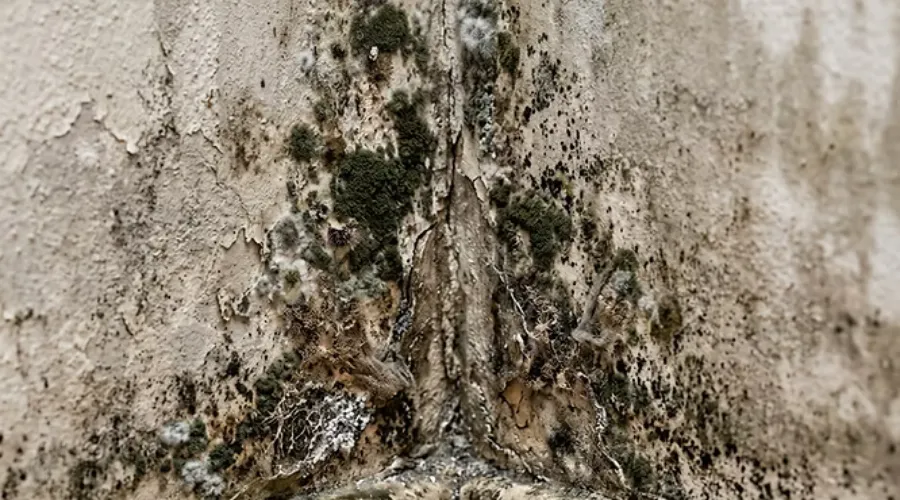
Recognizing Mold Signs During a Home Inspection: Identifying Mold During Inspection
When you're about to buy a home or simply want to keep your current one safe, spotting mold early can save you a lot of trouble. Mold is sneaky...
Steps to Book a Certified Home Inspection: Your Guide to Smart Home Buying
Buying a home is exciting, but it can also be a bit nerve-wracking. One of the smartest moves you can make during this process is to get a certified home inspec...
Greenwood Home Inspections: Your Guide to Birdhouse Home Inspection Services
Buying a home is one of the biggest decisions you’ll ever make. It’s exciting, but it can also be nerve-wracking. How do you know if the house you’re eyeing is ...
Frequently Asked Questions
Everything you need to know before booking your inspection. Browse by topic below.
Most inspections take about 2 to 4 hours, depending on the size, age, and condition of the home. Larger or older properties may take a bit longer. We take the time needed to be thorough, so nothing important gets missed!
What Our Neighbors Say
Real reviews from real Upstate South Carolina homeowners.
Upstate South Carolina Service Locations
Proudly serving homeowners, buyers, and real estate professionals across six counties and all surrounding Upstate South Carolina communities. Wherever you are in the Upstate, we'll come to you.
Primary Counties Served
Interactive Service Region Map
“Whether you are buying, selling, or maintaining your home, Birdhouse Home Inspections would be honored to inspect your property. After all, we are going to be neighbors.”
Schedule Your Inspection
Book online in under 2 minutes or call Elijah Proctor directly. Pick a date and time right here — your appointment is confirmed instantly through our secure online scheduler.
Schedule Your Inspection Online
Pick a date & time that works for you — confirmed instantly.
Ready to Protect Your Investment?
Book online in under 2 minutes or call Elijah Proctor directly.