
Why Mold Detection Matters
Mold isn’t just an eyesore; it can seriously affect your health and your home’s integrity. Mold spores float in the air and can trigger allergies, respiratory issues, and even more severe health problems for sensitive individuals. Plus, mold can damage walls, floors, and ceilings, leading to costly repairs.
So, how do you know if mold is lurking in your home? The key is to be proactive and vigilant. Mold loves damp, dark, and poorly ventilated areas. Bathrooms, basements, kitchens, and around windows are prime spots. But mold can also hide behind wallpaper, inside walls, or under carpets.
By learning to recognize the signs early, you can take action before the problem grows out of control. Remember, a little mold can quickly turn into a big headache!
Mold Inspection Tips: What to Look For
When it comes to mold inspection tips, the first step is a thorough visual check. Here’s what I recommend:
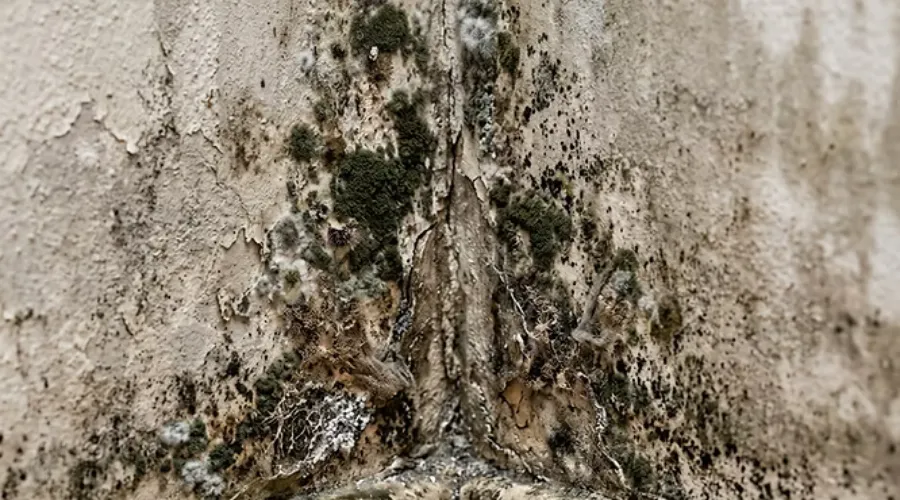
Look for discoloration: Mold often appears as black, green, white, or even orange patches. These spots might be fuzzy or slimy.
Check for water damage: Stains, peeling paint, or warped surfaces can indicate moisture problems that encourage mold growth.
Smell for mustiness: A damp, earthy smell is a classic sign of mold, even if you can’t see it.
Inspect hidden areas: Don’t forget to peek behind appliances, under sinks, and inside closets.
Use a flashlight: Mold can hide in dark corners and behind furniture.
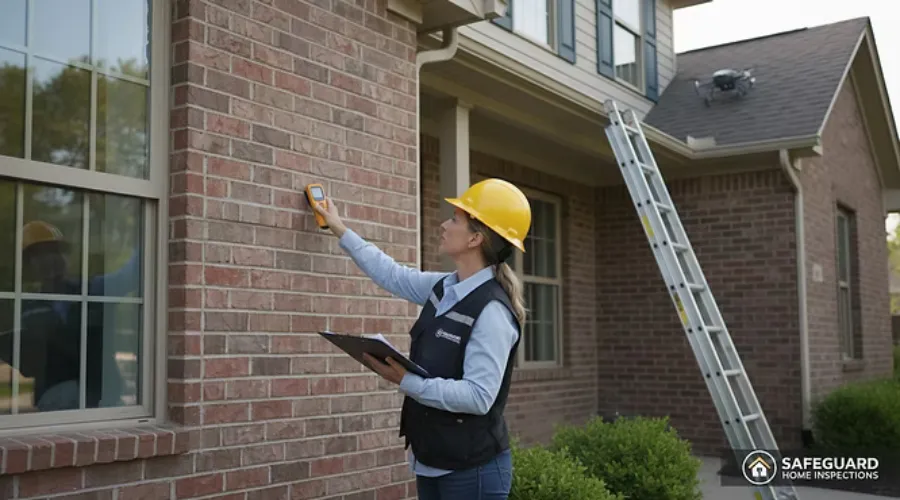
If you want to be extra cautious, consider using a moisture meter to detect dampness in walls and floors. This tool can help you find hidden mold problems before they become visible.
For those serious about safety, professional mold inspections are a smart choice. Certified inspectors use specialized equipment to detect mold and moisture issues you might miss.
If you’re checking home for mold signs , make sure to document your findings with photos and notes. This will help you track problem areas and communicate clearly with professionals if needed.
Can Mold Toxicity Cause High CRP?
You might be wondering, “Can mold toxicity cause high CRP?” CRP, or C-reactive protein, is a marker in your blood that indicates inflammation. Exposure to mold, especially toxic mold, can trigger an inflammatory response in the body.
When mold spores or mycotoxins enter your system, your immune system reacts. This can lead to symptoms like fatigue, headaches, and respiratory issues. In some cases, doctors find elevated CRP levels in patients exposed to mold, signaling that the body is fighting inflammation.
If you or someone in your household experiences unexplained health problems, it’s worth considering mold exposure as a possible cause. A medical professional can run tests to check CRP levels and help determine if mold toxicity might be involved.
This connection highlights why early mold detection and removal are so important—not just for your home, but for your health too!
Practical Steps to Prevent Mold Growth
Prevention is always better than cure. Once you know the signs of mold, you can take simple steps to keep it from taking hold in your home:
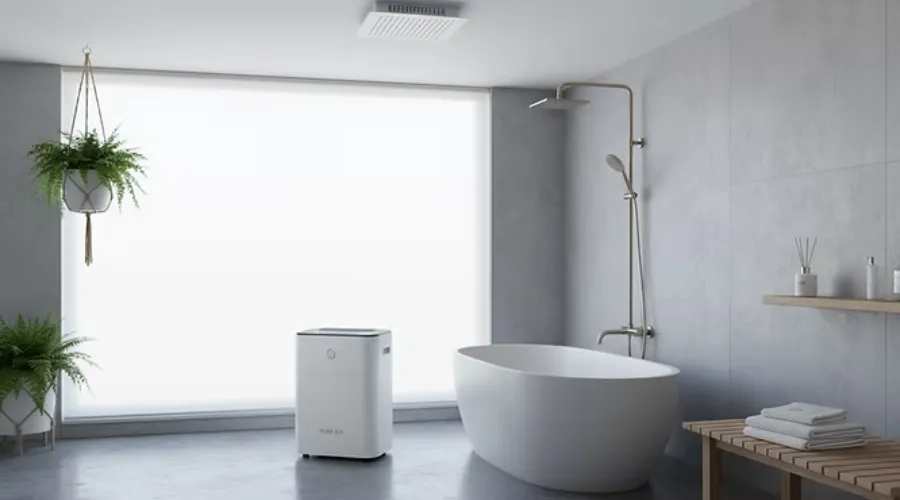
Control humidity: Keep indoor humidity below 60%. Use dehumidifiers and exhaust fans in bathrooms and kitchens.
Fix leaks promptly: Any water leaks from pipes, roofs, or windows should be repaired immediately.
Improve ventilation: Open windows when weather permits and use fans to circulate air.
Clean regularly: Mold loves dust and dirt, so keep surfaces clean and dry.
Use mold-resistant products: When renovating, choose mold-resistant drywall and paint.
Monitor basements and crawl spaces: These areas are prone to moisture buildup.
By following these tips, you can create an environment that’s hostile to mold and protect your investment.

Elijah Proctor
Owner / Inspector • Birdhouse Home Inspection Services
InterNACHI® Certified Professional Inspector CPI® with 15+ years in construction. Dedicated to helping home buyers and owners across Upstate South Carolina make confident decisions.
Related Articles
Recognizing Mold Signs During a Home Inspection: Identifying Mold During Inspection
When you're about to buy a home or simply want to keep your current one safe, spotting mold early can save you a lot of trouble. Mold is sneaky...
Steps to Book a Certified Home Inspection: Your Guide to Smart Home Buying
Buying a home is exciting, but it can also be a bit nerve-wracking. One of the smartest moves you can make during this process is to get a certified home inspec...
Greenwood Home Inspections: Your Guide to Birdhouse Home Inspection Services
Buying a home is one of the biggest decisions you’ll ever make. It’s exciting, but it can also be nerve-wracking. How do you know if the house you’re eyeing is ...
Frequently Asked Questions
Everything you need to know before booking your inspection. Browse by topic below.
Most inspections take about 2 to 4 hours, depending on the size, age, and condition of the home. Larger or older properties may take a bit longer. We take the time needed to be thorough, so nothing important gets missed!
What Our Neighbors Say
Real reviews from real Upstate South Carolina homeowners.
Upstate South Carolina Service Locations
Proudly serving homeowners, buyers, and real estate professionals across six counties and all surrounding Upstate South Carolina communities. Wherever you are in the Upstate, we'll come to you.
Primary Counties Served
Interactive Service Region Map
“Whether you are buying, selling, or maintaining your home, Birdhouse Home Inspections would be honored to inspect your property. After all, we are going to be neighbors.”
Schedule Your Inspection
Book online in under 2 minutes or call Elijah Proctor directly. Pick a date and time right here — your appointment is confirmed instantly through our secure online scheduler.
Schedule Your Inspection Online
Pick a date & time that works for you — confirmed instantly.
Ready to Protect Your Investment?
Book online in under 2 minutes or call Elijah Proctor directly.