
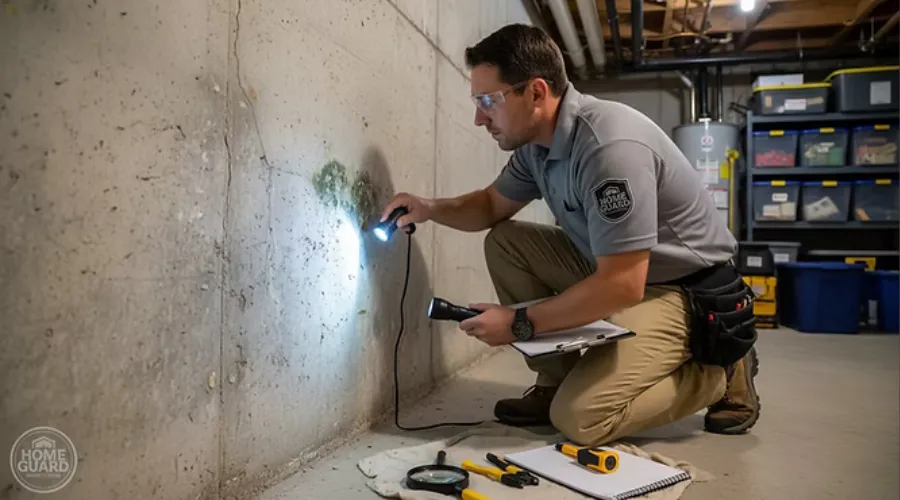
Why Mold Inspection Tips Matter for Your Home
Mold is more than just an eyesore. It can affect your health, damage your property, and lower your home’s value. Especially in places like Anderson County, SC, where humidity can be high, mold growth is a real concern. Knowing what to look for and how to act can save you thousands of dollars and a lot of stress.
Here’s why these mold inspection tips are so important:
Health risks: Mold spores can trigger allergies, asthma, and other respiratory problems.
Structural damage: Mold eats away at wood, drywall, and insulation.
Hidden problem: Mold often grows where you can’t see it, like behind walls or under floors.
Resale value: A mold problem can scare off buyers or lower your home’s market price.
By learning to identify mold signs early, you can take action before it becomes a big issue.
Essential Mold Inspection Tips to Keep Your Home Safe
Let’s get practical. What should you look for when inspecting a home for mold? Here are some straightforward tips that anyone can follow:
Look for discoloration and stains. Mold often appears as black, green, white, or even orange spots on walls, ceilings, or floors. These stains might look fuzzy or slimy.
Check for musty odors. Mold has a distinct, earthy smell. If a room smells damp or musty, it’s a red flag.
Inspect areas prone to moisture. Bathrooms, basements, kitchens, and around windows are common mold hotspots.
Feel for dampness. If walls or floors feel wet or damp, mold could be lurking nearby.
Watch for peeling paint or wallpaper. Moisture behind walls can cause paint or wallpaper to bubble or peel.
Look under sinks and around pipes. Leaks can create perfect mold-growing conditions.
Check HVAC systems. Mold can grow inside air ducts and spread spores throughout your home.
These tips are your first line of defense. If you spot any of these signs, it’s time to dig deeper.
How to Check for Signs of Mold in a House?
Now, let’s talk about the actual process of checking for mold. It’s easier than you might think, and you don’t need fancy equipment to start.
Step 1: Start with a Visual Inspection
Walk through the home and carefully examine all the usual suspects:
Bathrooms: Look around the shower, bathtub, sink, and toilet.
Basement and crawl spaces: These areas are often damp and poorly ventilated.
Kitchen: Check under the sink and behind appliances.
Attic: Look for water stains or mold on rafters and insulation.
Windows and doors: Inspect for condensation or water damage.
Step 2: Use Your Nose
Don’t underestimate your sense of smell. A musty odor can lead you right to hidden mold.
Step 3: Test for Moisture
If you have a moisture meter, use it to check walls and floors. High moisture levels often mean mold is nearby.
Step 4: Look Behind Surfaces
If you see peeling paint or wallpaper, gently peel it back to check for mold underneath. Be careful not to damage the surface.
Step 5: Consider Professional Help
If you suspect mold but can’t find it, or if the problem seems extensive, it’s wise to call in a certified home inspector. They have tools like infrared cameras and air quality testers to detect hidden mold.
Remember, checking home for mold signs regularly can prevent small problems from turning into costly repairs.

Elijah Proctor
Owner / Inspector • Birdhouse Home Inspection Services
InterNACHI® Certified Professional Inspector CPI® with 15+ years in construction. Dedicated to helping home buyers and owners across Upstate South Carolina make confident decisions.
Related Articles
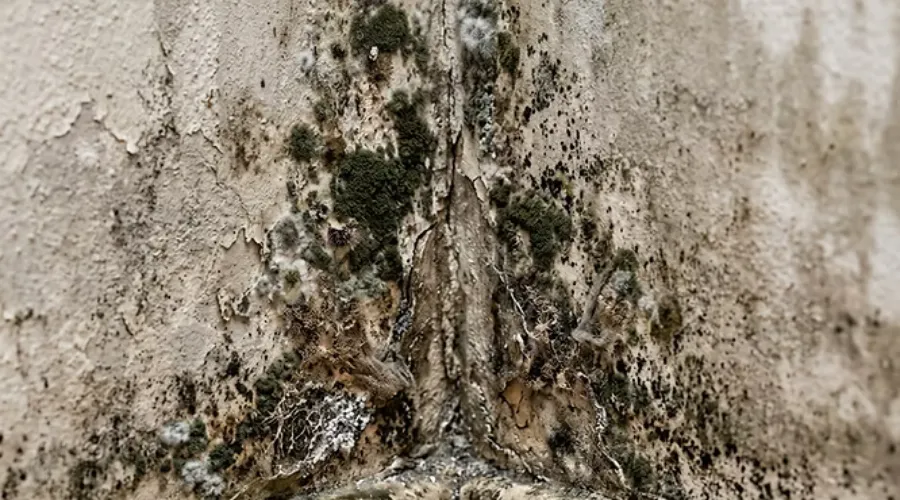
Recognizing Mold Signs During a Home Inspection: Identifying Mold During Inspection
When you're about to buy a home or simply want to keep your current one safe, spotting mold early can save you a lot of trouble. Mold is sneaky...
Steps to Book a Certified Home Inspection: Your Guide to Smart Home Buying
Buying a home is exciting, but it can also be a bit nerve-wracking. One of the smartest moves you can make during this process is to get a certified home inspec...
Greenwood Home Inspections: Your Guide to Birdhouse Home Inspection Services
Buying a home is one of the biggest decisions you’ll ever make. It’s exciting, but it can also be nerve-wracking. How do you know if the house you’re eyeing is ...
Frequently Asked Questions
Everything you need to know before booking your inspection. Browse by topic below.
Most inspections take about 2 to 4 hours, depending on the size, age, and condition of the home. Larger or older properties may take a bit longer. We take the time needed to be thorough, so nothing important gets missed!
What Our Neighbors Say
Real reviews from real Upstate South Carolina homeowners.
Upstate South Carolina Service Locations
Proudly serving homeowners, buyers, and real estate professionals across six counties and all surrounding Upstate South Carolina communities. Wherever you are in the Upstate, we'll come to you.
Primary Counties Served
Interactive Service Region Map
“Whether you are buying, selling, or maintaining your home, Birdhouse Home Inspections would be honored to inspect your property. After all, we are going to be neighbors.”
Schedule Your Inspection
Book online in under 2 minutes or call Elijah Proctor directly. Pick a date and time right here — your appointment is confirmed instantly through our secure online scheduler.
Schedule Your Inspection Online
Pick a date & time that works for you — confirmed instantly.
Ready to Protect Your Investment?
Book online in under 2 minutes or call Elijah Proctor directly.