

Getting the Most from Your Home Inspector: Professional Home Inspector Guidance
Buying a home is one of the biggest decisions you’ll ever make. It’s exciting, nerve-wracking, and full of unknowns. That’s why having a thorough home inspection is so important. But how do you get the most from your home inspection? How can you ensure that the process is smooth, informative, and truly helpful? I’m here to share some professional home inspector guidance that will help you navigate this crucial step with confidence.
Why Professional Home Inspector Guidance Matters
When you’re buying a home, you want to know exactly what you’re getting into. A professional home inspector is your eyes and ears, uncovering hidden issues and giving you a clear picture of the property’s condition. But the value of the inspection depends a lot on how you approach it.
Have you ever wondered what questions to ask? Or how to prepare for the inspection day? Maybe you’re curious about what to expect during the inspection itself. These are all important because a home inspection is not just a checklist—it’s a conversation and a learning opportunity.
Here’s what I’ve learned: being proactive and engaged during the inspection can save you thousands of dollars and a lot of stress down the road. Don’t just sit back and wait for the report. Get involved!
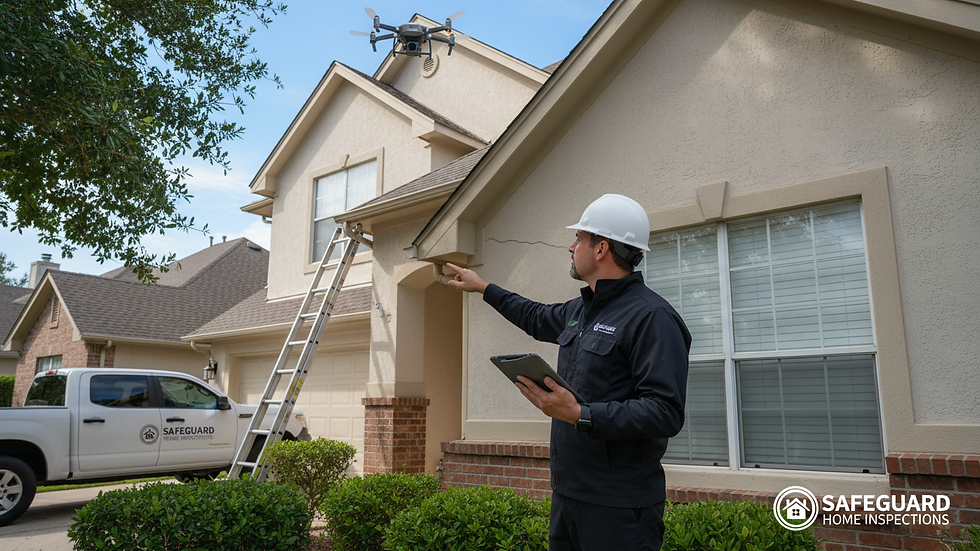
How to Prepare for Your Home Inspection
Preparation is key to getting the most out of your home inspection. Here are some practical steps you can take before the inspector arrives:
Review the Seller’s Disclosure
This document lists any known issues with the home. It’s a great starting point to understand what might need extra attention.
Make a List of Concerns
Walk through the home yourself and note anything that looks off or worries you. Share this list with your inspector so they can focus on those areas.
Clear Access Areas
Make sure the inspector can easily access the attic, basement, electrical panels, and HVAC systems. This helps them do a thorough job without delays.
Plan to Attend the Inspection
This is your chance to learn firsthand about the home’s condition. Ask questions, take notes, and don’t hesitate to ask the inspector to explain things in simple terms.
Bring a Camera or Smartphone
You’ll want to capture images of any issues or areas that need follow-up. This can be helpful when discussing repairs with the seller or contractors.
By preparing well, you set the stage for a smooth inspection and a detailed report that truly reflects the home’s condition.
How much is a home inspection in San Antonio?
If you’re wondering about the cost of a home inspection in San Antonio, prices typically range between $300 and $500. The exact price depends on factors like the size of the home, its age, and the complexity of the inspection. Some inspectors offer additional services such as radon testing or termite inspections for an extra fee.
Keep in mind that while cost is important, it shouldn’t be the only factor in your decision. A thorough, professional inspection can save you from costly surprises later. Think of it as an investment in peace of mind.
What to Expect During the Home Inspection
On the day of the inspection, your home inspector will conduct a detailed examination of the property. Here’s a quick overview of what typically happens:
Exterior Inspection
The inspector checks the roof, gutters, siding, foundation, and drainage. They look for signs of damage, wear, or potential problems.
Interior Inspection
Inside, the focus is on walls, ceilings, floors, windows, doors, and the condition of major systems like plumbing, electrical, and HVAC.
Attic and Basement
These areas often reveal hidden issues such as leaks, mold, or structural concerns.
Appliances and Fixtures
The inspector tests built-in appliances, water heaters, and other fixtures to ensure they work properly.
Throughout the inspection, the inspector will take notes and photos. If you’re present, they’ll explain what they’re looking at and why it matters. This is a great time to ask questions like:
How urgent is this repair?
What’s the estimated cost to fix it?
Are there any safety concerns?
Remember, the inspection is not about passing or failing the home. It’s about understanding its condition so you can make informed decisions.

After the Inspection: Using the Report to Your Advantage
Once the inspection is complete, you’ll receive a detailed report. This document is your roadmap for the next steps. Here’s how to make the most of it:
Review the Report Carefully
Look for major issues that could affect safety or require expensive repairs. Also, note minor problems that might need attention soon.
Discuss Findings with Your Real Estate Agent
Your agent can help you negotiate repairs or price adjustments with the seller based on the inspection results.
Get Estimates for Repairs
For significant issues, get quotes from licensed contractors. This will help you understand the true cost and decide whether to proceed.
Plan for Maintenance
Some findings might not require immediate action but should be part of your home maintenance plan.
Keep the Report for Future Reference
It’s a valuable document to have for ongoing home care and when you decide to sell.
By actively using the inspection report, you turn information into power. You’re not just buying a house—you’re making a smart investment.
Building a Relationship with Your Home Inspector
A good home inspection is more than a one-time event. Building a relationship with a trusted professional can benefit you long after the purchase. Why? Because homes need regular check-ups, just like cars or health.
If you find an inspector who communicates clearly, explains things patiently, and provides thorough reports, keep their contact info handy. They can be a valuable resource for:
Annual or seasonal inspections
Pre-listing inspections if you decide to sell
Advice on home maintenance and upgrades
Having a reliable expert on your side gives you confidence and peace of mind.
Taking Charge of Your Home Buying Journey
Getting the most from your home inspection means being proactive, informed, and engaged. It’s about asking the right questions, understanding the findings, and using that knowledge to make smart decisions.
Remember, a home inspection is your chance to uncover the story behind the walls. It’s your opportunity to protect your investment and ensure your new home is safe and sound.
So, are you ready to take charge? With the right preparation and professional home inspector guidance, you’ll walk into your new home with confidence and excitement. Happy house hunting!
If you want to learn more about how a professional inspection can help you, check out Birdhouse Home Inspection Services for expert advice and certified inspections in Anderson County, SC, and nearby areas.


Comments